
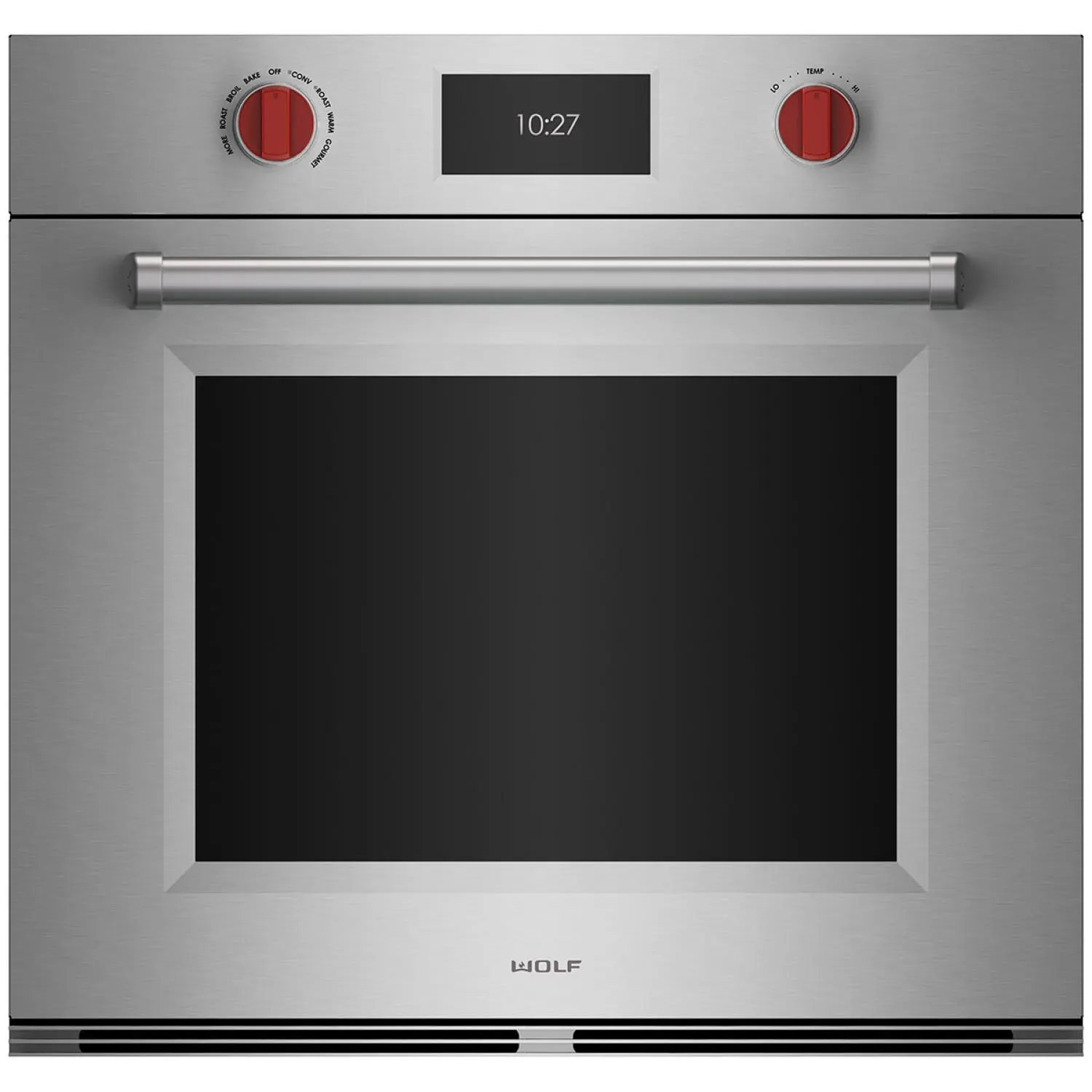
If a Wolf oven seems too hot or too cool, start with the cooking result. A tray of cookies that consistently browns at the back tells you more about the pattern than one temperature reading taken right after the door opens. Before booking Wolf oven repair in Los Angeles, note whether the problem repeats under the same conditions.
Identify the symptom before changing settings
Begin with the result you can describe clearly. Are cookies on one side darker, does the whole tray take longer than usual, or does the oven indicate that it has reached temperature before the food cooks as expected? Is the issue limited to the upper or lower oven of a double unit? A photo of the finished food can show a consistent pattern. Pair it with the recipe, rack position, and the cooking mode shown on the control panel when you baked it. The technician will be able to ask narrower questions if you can point to when the change first appeared.
A recipe that used to work in the same oven is a stronger comparison than a new recipe, a changed batch size, or a different oven. Check whether you recently swapped a pan, added a baking stone, or started putting two trays in the oven at once. If a familiar recipe has changed, note how. “Same sheet pan, one rack, Bake mode, outside edges brown earlier than usual” tells a technician more than “runs hot.” Keep the result as an observation, since different causes can produce similar cooking symptoms.
Check preheat, mode and rack position
Wait for the preheat indication specified for your model, then use the mode and rack position recommended in its use and care guide. Compare one familiar recipe with the same pan, rack and settings. If you switched from bake to convection or moved from the middle rack to the top, write that down. Those changes make previous results a poor comparison.
Wolf explains in its oven temperature guidance that oven temperatures vary during normal operation. A single reading from a hanging thermometer gives a snapshot. It does not establish that the oven needs calibration. For an appliance that fails to preheat, shows an error, or repeatedly undercooks or overbrowns food after preheat, record what happens and discuss it with a technician. California’s consumer guide to appliance repair can help you prepare for the estimate.
Set up one comparison with a familiar recipe
Choose a recipe you know and can watch without opening the door repeatedly. Check the use and care guide for your specific Wolf model so you know which mode and rack position it recommends. Set the temperature as the recipe and guide direct, allow the preheat cycle to finish, then load the same quantity in the same pan as on the earlier bake. Take note of how long the oven indicated it was preheating, when you put the food in, and what you noticed when you first checked for doneness. No dedicated test food is required.
If the result is repeatably uneven, log the location of the darker or paler area. For a second comparison, change one variable only, such as using the rack position recommended for that mode if it differed on the first run. Changing the rack, pan and mode together makes the result hard to interpret. If the oven cannot finish preheating, has an error, or shows a concerning symptom, skip repeat comparisons and report what happened. There is no need to run multiple bakes just to qualify for a repair appointment.
Keep modes and cookware separate in your notes
Convection changes how air moves inside the oven. A comparison between Bake and Convection Bake is a comparison of two cooking modes, even if the dial or display shows the same temperature. Check whether the recipe was written for conventional or convection cooking and use the model-specific guide for the appropriate setting. If you use different modes for different dishes, the useful question is whether the same symptom appears in more than one setting. Write down the names as they appear on your controls so the technician can reproduce the setup.
Cookware is another variable. If you switched from a familiar pan to a darker tray, used a larger dish or squeezed extra trays onto the same rack, record it. Where the recipe specifies a pan type or size, follow it if you want the most comparable result. Note if something large was on a nearby rack. Arrange cookware according to your guide and avoid covering the oven floor or blocking ventilation openings. Consult the instructions for foil or accessories on your particular model before using them.
Record a thermometer reading with context
An oven cycles its heat as it operates. A hanging thermometer may respond more slowly than the air around it, and its reading can change with location or when the door is opened. If you already took a reading, record the set temperature, mode, approximate point in the cycle and location of the thermometer. Mention if you opened the door to read it. A few readings without that context can be harder to interpret than a consistent result from a familiar recipe. Wolf’s guidance linked above explains why a snapshot is insufficient to diagnose a temperature complaint.
Avoid changing calibration based on one reading or attempting to adjust temperature sensors, wiring, gas components or internal controls. If you changed a setting already, note what you changed and when. If you smell gas, suspect a fire, or see sparking, stop using the appliance and follow emergency instructions from your utility or emergency services as appropriate. For an ordinary cooking performance concern without these warning signs, collect your notes and ask a technician what information is useful before the visit.
Make the service request easy to triage
A useful message says whether you have a wall oven, an oven built into a range, or a double oven. Give the model and serial number if you can find them without moving the appliance. The use and care materials for that model can help you locate the rating plate. Include which cavity is affected, the mode and temperature you selected, what you cooked, and what happened. Note whether the problem was sudden or gradual and whether there was a message or code. A photo of the controls and a photo of the result can be helpful.
For an appointment in Los Angeles, share any parking or building entry details the technician needs, especially if someone has to meet them at a gate or loading entrance. Ask the repair provider what its diagnostic visit covers, how you receive an estimate and who must approve further work. Our guide explains what to look for in a Wolf appliance repair provider before you book. If the appliance may be covered by a warranty or service plan, check the terms before authorising work. The same observations can help when you contact the warranty provider or the company that installed the appliance. Keep your notes with the service record so you can compare the outcome using the same recipe and setting afterwards.
Tell us which oven is affected
A Wolf wall oven and an oven built into a Wolf range can look similar from the cooking side of the problem. On a double oven, say whether the upper or lower cavity is affected. Include the cooking mode, set temperature, rack, error message if any, and whether the other cavity behaves normally. Add the model number if it’s easy to read without moving the appliance.
- For a built-in unit, start with Wolf wall oven repair.
- For the oven in a range, see Wolf range repair and our Beverly Hills Wolf range guide.
- For an apartment or condo in Hollywood, North Hollywood or elsewhere in Los Angeles, include any gate, parking or building access instructions when you book.
If the pattern repeats, contact ABS with the model and your notes. “The lower oven bakes pale on the middle rack after preheat, but the upper oven works normally” is a clear starting point.